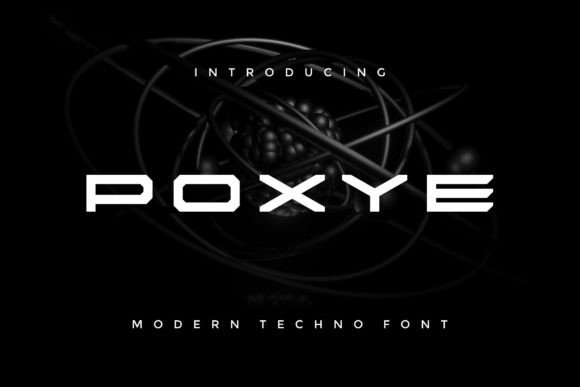
Poxye: A Bold Display Font for Web Design
As a web designer, I'm always on the lookout for fonts that can elevate a design without sacrificing readability. Poxye is a bold, modern sans serif font with playful flair that stands out in digital and print environments. Its versatility makes it ideal for headlines, logos, and branding projects where visual impact matters most.
Poxye for Hero Sections and Attention-Grabbing Headlines
Poxye shines in hero sections where first impressions are everything. Its strong, clean lines make it perfect for landing pages, SaaS websites, and product launches. When used as a headline, Poxye commands attention while maintaining legibility at various sizes. Whether you're designing a creative portfolio or a course sales page, Poxye adds a dynamic energy that resonates with modern audiences.
For best results, pair Poxye with a simple, neutral body font like Arial or Open Sans. This contrast ensures your message remains clear while your headline stands out. On mobile screens, Poxye retains its sharpness, making it an excellent choice for CTA buttons and short phrases that need to be easily scannable.
Poxye for Brand Identity and Logo Design
When building a brand identity, consistency is key. Poxye offers a unique personality that works well for logos, especially in industries like fashion, tech, or lifestyle. Its playful yet professional tone allows for flexibility across different brand expressions. From social media graphics to packaging design, Poxye delivers a cohesive look that reinforces brand recognition.
Consider using Poxye for logo text in app interfaces, online store banners, or digital marketing assets. Its bold structure ensures it remains visible even when placed over images or dark backgrounds. For a more refined touch, use it in combination with a serif font for a balanced, editorial feel.
Poxye for Digital Ads and Social Media Graphics
Digital ads demand clarity and impact, and Poxye delivers both. Its clean, modern aesthetic makes it ideal for social media posts, email headers, and banner ads. Whether you're promoting a new product or sharing content on Instagram, Poxye helps your message stand out in a crowded space.
When designing for platforms like Facebook or LinkedIn, use Poxye sparingly—too much can overwhelm the viewer. Instead, apply it to key elements like headlines, call-to-action buttons, or section titles. This approach keeps your design focused while leveraging Poxye's visual strength.
Poxye for Responsive Layouts and Mobile Optimization
Responsive design requires fonts that adapt to different screen sizes without losing their character. Poxye performs well on both desktop and mobile devices, maintaining its clarity and style across resolutions. This makes it an excellent choice for online stores, blog headers, and portfolio sites where users may access content from multiple devices.
On small screens, ensure Poxye isn't too thin or too heavy. Adjust spacing and line height to maintain readability. For dark mode designs, test Poxye against light text to avoid contrast issues. With proper tuning, Poxye can enhance the user experience without compromising aesthetics.
Poxye for Creative Portfolios and Coaching Websites
Creative portfolios and coaching websites often require a font that reflects the creator's personality. Poxye's playful yet professional vibe makes it a great fit for these types of sites. Use it for project titles, service headings, or client testimonials to add a sense of energy and confidence.
Pair Poxye with a soft, handwritten font for a more personal touch, or combine it with a minimalist sans serif for a sleek, modern look. The key is to balance Poxye's boldness with other elements that guide the viewer through the content smoothly.
Poxye for Web Typography and Visual Hierarchy
Visual hierarchy is crucial in web design, and Poxye helps establish it effectively. Its weight and spacing allow for clear distinctions between headlines, subheadings, and body text. This makes it ideal for content-heavy websites, such as blogs, educational platforms, or informational portals.
Use Poxye for section headers, feature highlights, or interactive elements like dropdown menus. Its versatility means it can serve as both a decorative and functional element in your layout. Just be mindful of not overusing it—Poxye works best when it's reserved for key moments in the design flow.
Poxye for Commercial Projects and Licensing
If you're working on a commercial project, it's important to understand the licensing terms for Poxye. Most display fonts like Poxye come with specific rights for website use, app development, and digital templates. Always verify the license agreement to ensure compliance, especially if you're using the font for client work or an online store.
For large-scale projects, check if Poxye includes webfont formats like WOFF or WOFF2. These formats ensure fast loading and cross-browser compatibility. Additionally, consider multilingual support if your audience speaks multiple languages. Poxye’s design should remain consistent across different scripts and characters.